Everyday Eating Choices: Informational Framing
Welcome to a neutral informational platform dedicated to exploratory conversations about everyday eating choices. This space describes a format centered on noticing, articulating, and reflecting upon the ordinary food-related decisions that shape daily life.
Our focus is exclusively educational and descriptive. We examine how people verbalize their choices, which everyday circumstances they encounter, and how routine, context, availability, and time constraints frame their eating experiences. This format does not direct behavior or promise outcomes.
These conversations are exploratory exchanges with food-related professionals, designed to recognize recurring choice patterns, discuss real-life examples, and create a descriptive closing summary. There are no instructions, menus, meal plans, standards, or rules provided.
Explore Further
Eating Choices: Noticing Everyday Decisions
Throughout each day, countless small decisions arise related to eating. These choices often occur automatically or are influenced by immediate circumstances, yet they collectively form the rhythm of daily eating experiences.

Recognizing Daily Selection Points
Exploratory conversations focus on identifying moments when choices occur: what is selected for the first meal, which options are considered during work breaks, how main eating occasions are approached, and what happens during informal eating moments.
The conversation helps articulate these selection points without assigning value or direction. Participants describe their actual experiences, the variety or repetition they observe, and the practical considerations that influence their decisions in real-time contexts.
This descriptive approach allows for neutral recognition of patterns without suggesting changes, improvements, or optimal pathways. The goal is clarity about current experiences, not modification of future behavior.
Daily Progression: Sequence of Eating Moments
A typical day contains multiple eating moments that follow a rough sequence. These moments vary in formality, duration, social context, and attention given to the act of eating itself.

Morning Starts
The day often begins with a first eating or drinking moment. This might be hurried or leisurely, prepared at home or obtained elsewhere, consumed alone or with others. The format varies widely based on available time and personal rhythm.

Pauses and Main Meals
As the day progresses, scheduled or spontaneous pauses occur. Some are substantial eating occasions, others are brief. The structure depends on work arrangements, access to eating spaces, and individual preferences regarding timing and quantity.

Evening Transitions and Shared Moments
Later in the day, eating may become more social or more solitary depending on living arrangements. The pace might slow or remain constant. These moments can include planning for the next day or simply closing out the current one.

Context Influences: Factors Shaping Choices
Everyday eating choices do not occur in isolation. They are shaped by a range of contextual factors that operate simultaneously and shift throughout the day.
Time Availability
The amount of time available influences both what is chosen and how eating moments unfold. Rushed periods lead to different choices than extended breaks. Time constraints are described neutrally as part of the daily landscape.
Surroundings and Access
Physical surroundings determine which options are within reach. Being at home, at a workplace, or in a public space each presents different possibilities. Access is a practical matter explored descriptively.
Convenience and Attention
The ease of preparation, acquisition, and consumption plays a role. The degree of attention given to eating also varies: sometimes eating is a focused activity, other times it occurs alongside other tasks. These variations are observed without judgment.
Locations: Where Choices Take Place
The physical settings where eating occurs influence both the options available and the social dynamics of the moment. Different locations present distinct practical realities.

Home Environments
At home, individuals often have greater control over selection, preparation methods, and timing. The range of available items reflects personal shopping patterns and storage capacity. Home eating can be solitary or shared with household members.

Workplaces
Work settings introduce different constraints: designated break times, shared eating spaces, limited storage, and varying degrees of access to preparation facilities. Choices are made within these structural parameters.

Outside and Group Contexts
Eating outside the home or workplace, whether alone or with others, involves navigating commercial options, social expectations, and unfamiliar environments. Group eating adds the dimension of coordinating preferences and timing with others.
Routine Cycles: Repetition and Variation
Eating patterns often follow weekly cycles. Weekdays may exhibit one set of routines, while weekends introduce different rhythms. Recognizing these cycles is a key part of exploratory conversations.
Weekday Structures
Work or other regular commitments typically shape weekday eating. Timing becomes more fixed, locations more predictable, and choices more routine. This repetition creates a baseline pattern that can be observed and described.
Weekend Variations
Weekends often allow for different timing, more elaborate preparation, or eating out. The shift in available time and absence of work constraints can lead to notable changes in how eating moments unfold.
Recognition of Recurring Cycles
Conversations explore how participants recognize their own cycles: which aspects remain consistent, which vary, and how transitions between weekdays and weekends are experienced. This recognition is descriptive, not prescriptive.

Situational Moments: Common Daily Scenarios
Beyond regular home and work eating, various situational moments arise that present unique choice contexts. These situations are described neutrally as part of the landscape of everyday life.

Shopping Moments
Acquiring food items involves navigating retail environments, making selections based on availability and preference, and managing practical considerations like budget and storage. These moments set the stage for later eating choices.
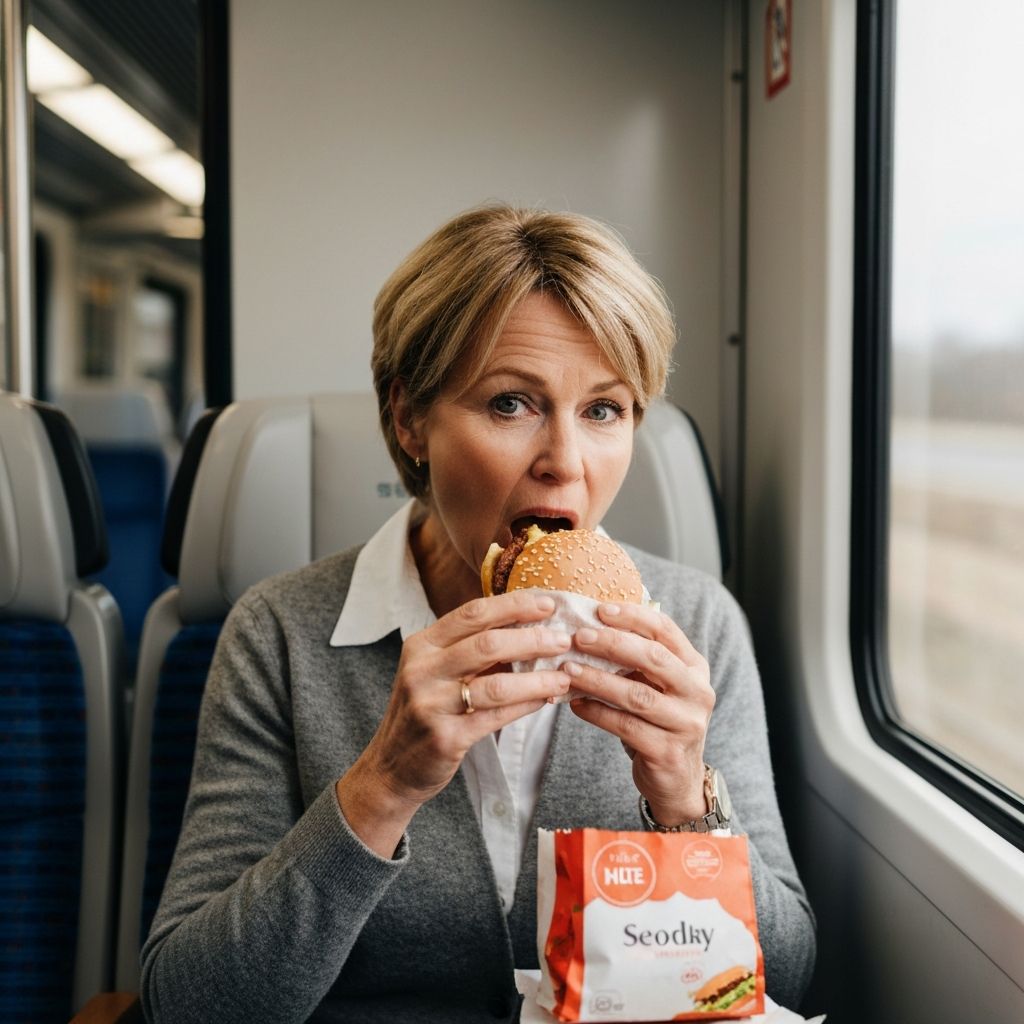
Commuting and Travel
Time spent traveling between locations can involve eating on the go or seeking out options in unfamiliar areas. The transient nature of these moments introduces specific practical challenges that are part of the conversation.

Social Gatherings
Eating with others in social contexts involves negotiating group preferences, adapting to shared menus, and balancing personal preferences with social dynamics. These moments are explored as distinct from routine individual eating.
Daily Rhythm: Pace and Pauses
The overall tempo of a day influences eating experiences. Some days move quickly with compressed time frames, while others allow for more extended pauses and attention to eating moments.
Fast-Paced Days
On days filled with commitments and limited free time, eating may become more compressed, with shorter durations and less elaborate preparation. Choices are made quickly within tight constraints. This tempo is neither positive nor negative; it is simply a feature of that particular day.
Slower-Paced Days
When fewer external demands exist, more time may be devoted to eating moments. Preparation might be more involved, eating might be more leisurely, and greater attention might be given to the experience. Again, this is described without value judgment.
Variations in Daily Tempo
Recognizing how daily rhythm shifts across different days, and how those shifts influence eating patterns, is part of the exploratory process. Conversations identify these variations and help participants articulate their experience of different paces without linking tempo to any particular outcome.
Limits of the Informational Format
It is essential to clearly state what this exploratory conversation format does not include. The boundaries of this approach are as important as its content.
No Plans or Instructions
There are no meal plans, menus, eating schedules, or instructions of any kind. The format is descriptive only.
No Standards or Prescriptions
No ideal patterns are suggested. No mandatory lists, required choices, or prescribed approaches are provided.
No Dosages or Quantities
No specific amounts, portions, or measurements are recommended. The conversation does not quantify intake.
No Evaluations or Assessments
Choices are not rated, ranked, or evaluated. There is no scoring system or assessment framework applied to eating decisions.
No Promises of Results
No outcomes, effects, timelines, or changes are promised or implied. The conversation does not predict or guarantee any particular result.
No Action Plans
The closing summary is descriptive only. It does not contain action steps, goals, or directives for future behavior.
Frequently Asked Questions
What exactly are exploratory conversations about everyday eating choices?
They are educational exchanges with food-related professionals focused on noticing, articulating, and reflecting upon the ordinary food-related decisions that occur throughout daily life. The format is descriptive and non-directive.
Who are these conversations designed for?
These conversations are for anyone interested in examining their daily eating patterns from a neutral, observational perspective without seeking behavioral change or specific outcomes.
What happens during a typical conversation?
The conversation centers on recognizing recurring choice patterns, discussing real-life examples from various contexts, and creating a descriptive closing summary of what has been articulated. There are no instructions or action plans provided.
Are these conversations related to any specific eating approach or philosophy?
No. The format is intentionally neutral and does not promote any particular eating style, philosophy, or set of principles. It is purely exploratory and descriptive.
Will I receive a meal plan or eating schedule?
No. The format does not provide plans, schedules, menus, or any form of prescriptive guidance. The focus is entirely on description and recognition of current patterns.
How long does a conversation typically last?
Duration varies based on the depth of exploration desired. Some conversations are brief, others more extended. The timing is flexible and adapted to the participant's availability and interest.
Can these conversations help me achieve specific goals?
No. This format does not promise or guarantee any outcomes, effects, or changes. It is purely informational and exploratory, not goal-oriented or results-driven.
Are measurements or assessments involved?
No. The format does not include measurements, evaluations, ratings, or assessments of any kind. It is entirely qualitative and descriptive.
What qualifications do the professionals have?
Professionals involved in these conversations have backgrounds related to food contexts and daily eating experiences. They are trained in descriptive, non-directive conversation techniques focused on observation rather than instruction.
How often should these conversations occur?
There is no prescribed frequency. Some individuals engage in one conversation, others periodically. The decision is entirely individual and based on ongoing interest in exploring daily eating patterns.
Is this format appropriate for everyone?
These exploratory conversations are informational and educational in nature. They are designed for individuals seeking neutral, descriptive reflection on everyday eating choices without medical or behavioral intervention.
What is the cost structure for these conversations?
This website is purely informational. No products or services are sold through this platform. Specific arrangements, if any, would be discussed separately outside this informational context.
Contact and Informational Closing
If you would like to receive informational updates about exploratory conversations on everyday eating choices, you may provide your email address below. This form is used solely for informational purposes.
ChoiceContext
Address: Jalan Ahmad Yani No. 45, Samarinda 75117, Indonesia
Phone: +62 541 7632 908
Email: [email protected]
This platform serves as a neutral informational resource about exploratory conversations focused on everyday eating choices. Our purpose is educational: to describe and clarify how ordinary food-related decisions are articulated, noticed, and reflected upon within daily life contexts.
We emphasize that this format does not provide instructions, recommendations, or promises. It remains descriptive, non-directive, and centered on recognition of current patterns rather than modification of future behavior. Thank you for your interest in this informational resource.